
Street posters remain one of the most powerful ways to reach audiences where they live, work, and play. With over 6,500 council-approved locations nationwide, Phantom's network offers unmatched street-level visibility and repeated exposure across New Zealand.
Many campaigns fall short not because the medium doesn't work, but because of avoidable mistakes in planning, design, and execution.
Most of these issues are easy to fix once you know what to look for. Below are the most common street poster mistakes and how to avoid them.
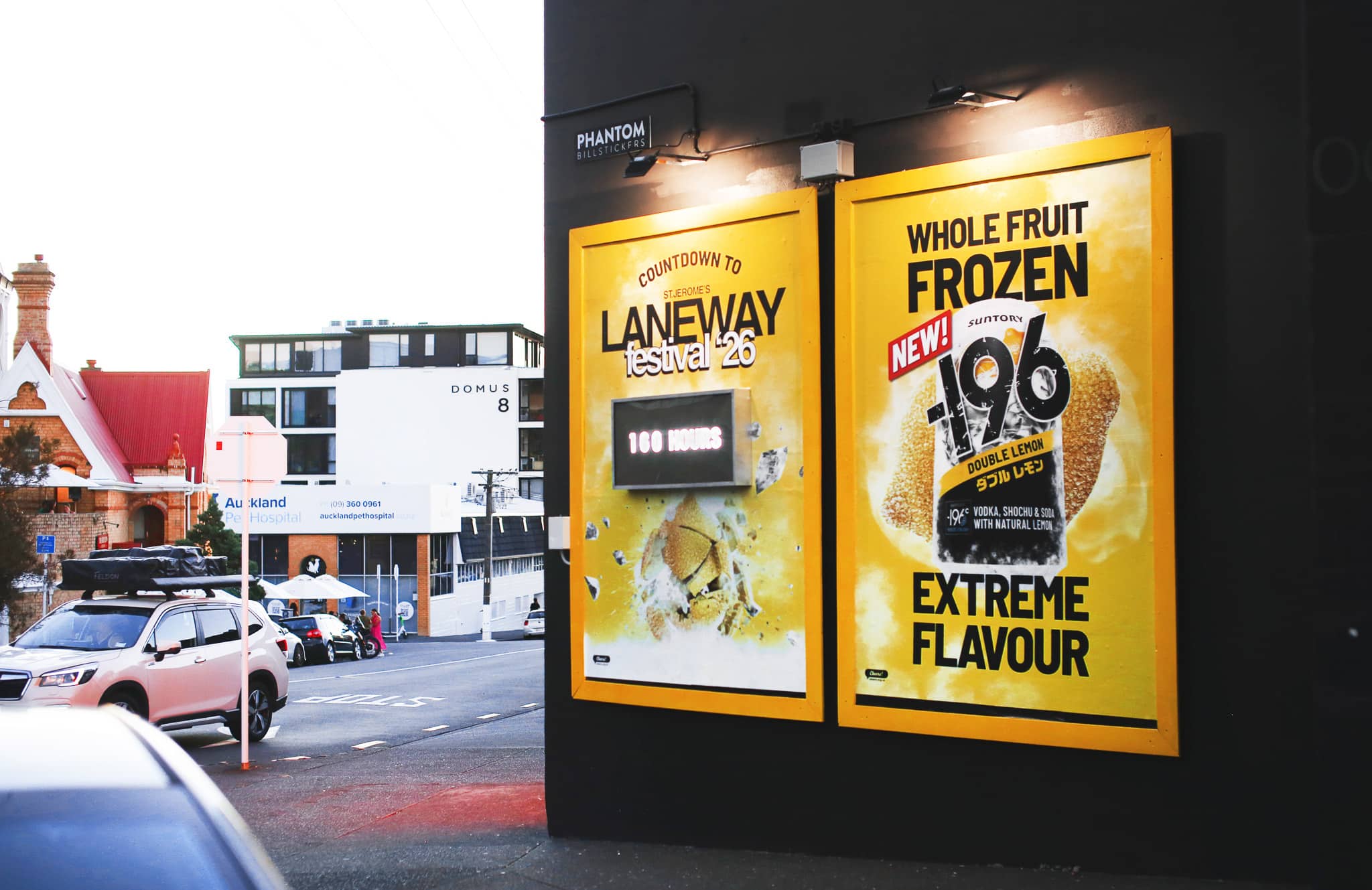
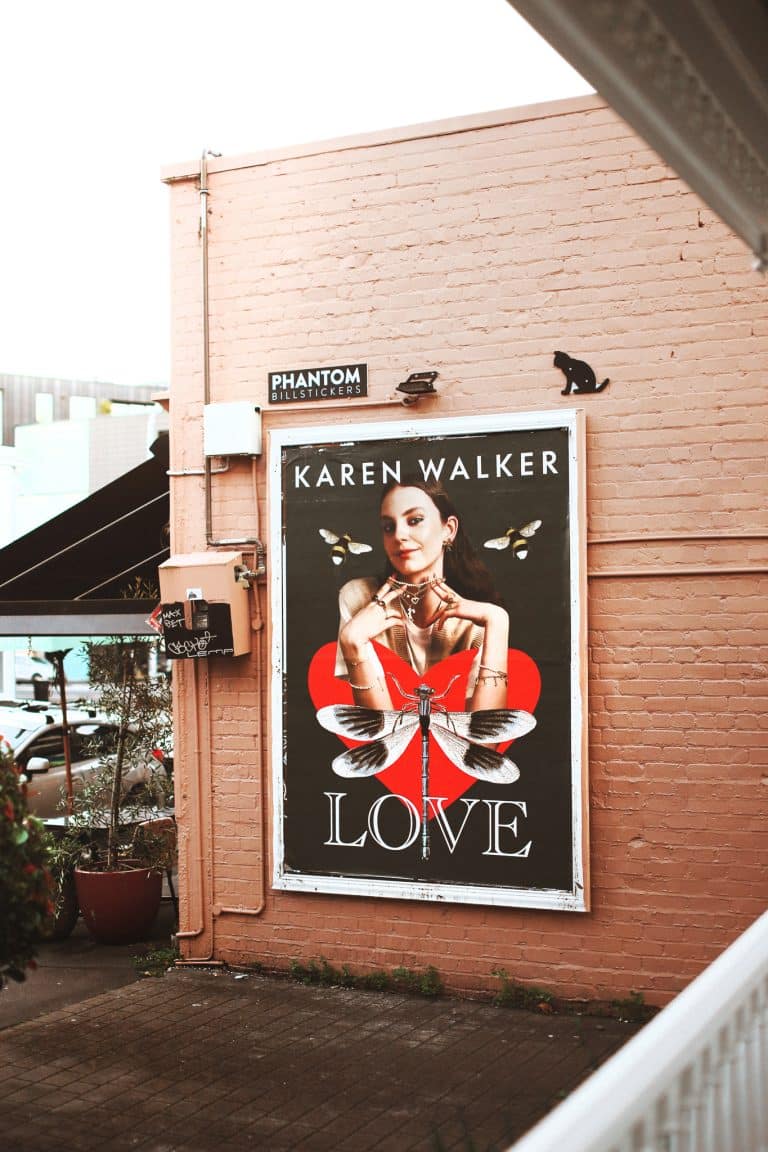
Location is everything in street poster advertising. You can have the most creative poster in the world, but if it's in the wrong location, it won't matter.
Common issues include:
Always prioritise audience relevance over convenience. Study foot-traffic patterns, visibility angles, dwell times, and the activities happening around your poster before locking in a location.
Analytics Partners’ research found that 59% of the ROI from outdoor advertising is driven by execution factors such as placement, format, and campaign duration. Get the location wrong, and even the best creative won't deliver results.
Phantom's network is strategically designed for maximum impact. We place posters in high-traffic, high-footfall areas that connect with your audience, such as CBD retail zones, cultural hotspots, and transit hubs. Our locations aren't random; they're chosen because we know they work.
Street posters aren't brochures. People have seconds to absorb your message as they walk or drive past.
Mistakes include:
Stick to one clear message, minimal copy, and strong visuals. If your poster can't be understood in 3 to 5 seconds, it's too complicated.
Think big, bold headlines and impactful imagery. Your street poster should punch. Grab attention first, then deliver the details later through QR codes or online channels. Keep it simple, keep it sharp.
Many street posters fail because they don't clearly communicate what the brand wants viewers to remember or do. It's not enough to look good. You need to say something.
Common problems:
Decide on one objective (brand awareness, event promotion, or driving action) and design everything around that goal. Make your brand and message unmistakable.
Whether you're launching a product, announcing an event, or building brand presence, clarity wins every time. Don't make people guess what you're trying to say.

A poster that looks perfect on your laptop screen doesn't always work on the street. Design for where it will live, not where it's being created.
Mistakes include:
Design for distance. Use bold fonts, high contrast, and simple colour palettes that pop.
Max A0 posters can be seen from across the street. Super formats demand attention from even further away, standing nearly twice your height and impossible to miss. Your design needs to work at these scales. Always test readability from the expected viewing range, whether people are driving past or walking by.
Different poster formats serve different purposes, but many advertisers reuse the same creative across formats without adapting it. That's a missed opportunity.
Examples of mistakes:
Design specifically for each format. Phantom offers sizes from A3 through to Mega, each with distinct strengths.
A3 posters work brilliantly on dedicated arts bollards in Wellington and Christchurch, perfect for intimate, community-focused messaging. Max A0 posters deliver brand awareness at street level across high-traffic zones. Supers provide nearly five square metres of impact, visible from a distance and commanding attention up close.
Understanding these formats and tailoring your creative accordingly makes your campaign impossible to ignore.
Read our blog on choosing the right poster size to learn more.
Street posters work best when they connect with other channels, yet many campaigns stop at exposure. Don't leave engagement on the table.
Common missed opportunities:
Use street posters as a trigger. Drive viewers to your website, landing page, or social campaign with simple, memorable next steps.
A passerby notices your Max A0 poster, scans a QR code, and suddenly they're engaged with your brand online. This is where street-level visibility becomes measurable action. The smartest campaigns blend physical presence with digital follow-through, turning everyday foot traffic into real results.
Old or poor-quality visuals damage brand credibility and waste your investment. Street posters are part of the urban landscape. They should feel current and relevant.
Mistakes include:
Keep creative fresh, and on-brand. Street posters become part of the cultural fabric of cities and towns. They should reflect what's happening now, not what happened three months ago.
Phantom's proprietary booking system ensures guaranteed placement and real-time proof that your campaign is live and working. This means you can monitor your campaign and refresh creative as needed, keeping your message sharp and timely.
Street posters exist in the real world, yet many campaigns ignore what's happening around them. Context matters.
Common errors:
Align your message with when and where people see it. Launch posters strategically before your event or product drop to build anticipation. Coordinate with festivals and cultural happenings for natural amplification.
Phantom has been Aotearoa's noticeboard for over 43 years, deeply embedded in the arts and events scene. We know when and where campaigns land best. Contextually relevant posters feel more personal and perform better because they're part of the conversation already happening on the street.
Read our blog on sequential poster campaigns to learn more about strategic timing.
Treating street poster campaigns as immeasurable is a costly mistake. You can track more than you think.
Problems include:
Use QR codes, custom URLs, branded hashtags, and engagement metrics to understand performance and improve future campaigns.
Track which locations drive the most interaction, test different designs or messaging, and use insights to refine your approach. Phantom's system provides time-stamped proof of placement, so you know exactly when and where your posters went live, giving you a clear baseline to measure impact.
Street poster advertising is regulated, and ignoring the rules can lead to fines, removal, or wasted budget. This one's non-negotiable.
Common issues:
Work with experienced operators who own the rights to council-approved locations.
In New Zealand, the stakes are real. Section 33 of the Summary Offences Act 1981 means you can face a fine of up to $200 for unauthorised billsticking. Beyond the financial risk, illegal postering damages your brand reputation and wastes your budget when posters are removed.
Phantom's entire network of 6,500+ frames is legal, authorised, and maintained. We pioneered the shift from illegal billsticking to a legitimate, regulated business that supports urban culture and makes cities more vibrant. When you work with Phantom, compliance isn't something you need to worry about. It's built into everything we do.
Street poster advertising is incredibly effective when done right, but costly when done wrong. Most failures come down to poor planning, unclear messaging, or ignoring how people actually interact with posters on the street.
Phantom Billstickers has spent over 40 years perfecting street-level advertising. From strategic location planning to creative execution and campaign management, we help brands show up where it matters most: on busy streets, prime walls, and in the cultural heartbeat of New Zealand's cities and towns.
Whether you're launching a brand, promoting an event, or building awareness, we ensure your campaign is street-level, high-impact, and highly visible.
Let's make something impossible to ignore. Get in touch with Phantom to start planning your next campaign.
© 2026 Phantom Billstickers. All Rights Reserved | Privacy Policy | Terms & Conditions | Web Design by Virtual Innovation
