
Street posters have always been part of Aotearoa’s cultural landscape, but today, they also play a role in building a more sustainable future.
At Phantom Billstickers, sustainability isn’t a buzzword. It’s a commitment woven into how we print, place, and manage posters across our nationwide network. From the materials we choose to how we install and remove every poster, we’re focused on reducing impact while keeping campaigns effective and visible on the streets.
Here’s what sustainable poster advertising really looks like and how responsible materials and practices can make a difference.
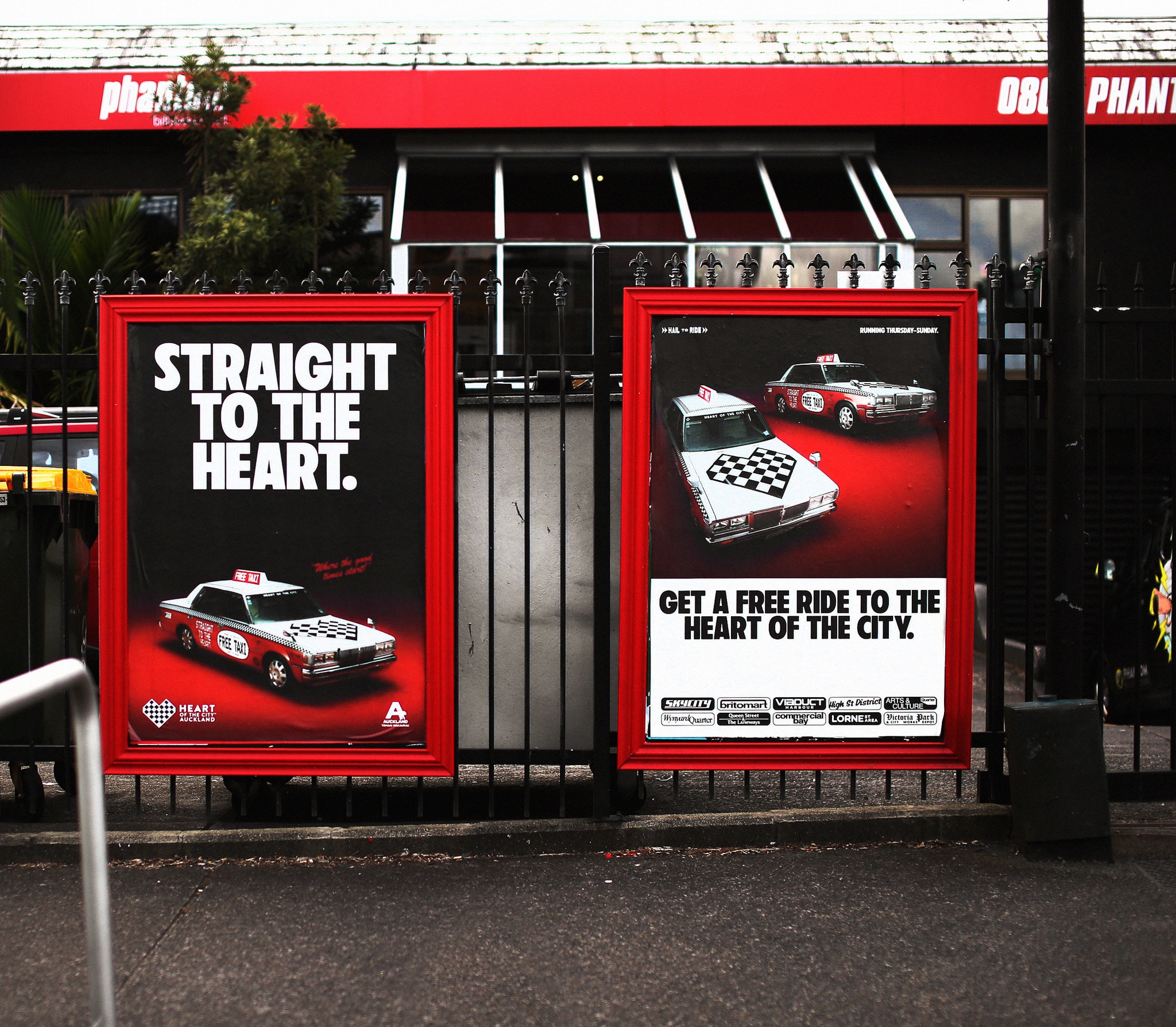

Posters are one of the most efficient forms of outdoor advertising. They’re lightweight, low-energy to produce, and designed for targeted placement. But like any physical medium, the choices behind them matter.
Sustainable poster practices help to:
Street posters can be both impactful and responsible; it comes down to the materials and systems behind them.
Pictured: Unity Books in A0 frames, in Auckland.
Sustainable poster advertising starts long before a poster reaches the street. It begins with the materials themselves, the fibres, inks, and substrates that shape how a campaign is printed and how it returns to the environment once it's done. Decisions made at this stage influence durability, waste, and the overall environmental footprint of a campaign.
Across the print industry, a growing range of eco-friendly options has created standout visuals without compromising on sustainability.
Recycled paper has become one of the most accessible foundations for sustainable print. Instead of relying on fresh timber, it reuses paper that has already lived a full cycle, reducing the pressure on forests and cutting down the energy required for production.
For brands seeking clear, traceable proof of responsibility, FSC-certified paper provides that assurance. Its certification guarantees that every fibre in the sheet is sourced from forests managed with long-term ecological health in mind. It’s a way to keep creative work tied to responsible forestry practices, without changing how your poster looks or performs.
Some campaigns go even further, prioritising sustainability by choosing papers made from fast-growing plants like bamboo, hemp, or sugarcane. These fibres regenerate quickly, require fewer resources, and produce strong, durable paper. They bring a natural texture and premium feel to a poster, the kind of subtle detail that turns a print into a statement of values and creativity.
Outdoor formats sometimes require materials that can withstand the weather and the test of time. Traditionally, that meant PVC. Today, PVC-free substrates offer a cleaner alternative. Designed to last throughout a campaign, they can then be returned more easily to recycling streams. This shift reduces long-term environmental impact while maintaining the performance advertisers rely on.
Every so often, a campaign wants to do something unexpected, something that lives beyond the poster frame. Seed paper is perfect for that. Once the message has done its job, the poster can be planted, turning into herbs or flowers rather than going to landfill. It’s not a material for large-scale runs, but for special projects, it creates a memorable connection between the campaign and the natural world.
Ink formulation makes a big difference. More sustainable options include:
These ink types are increasingly preferred across responsible print providers.
Sustainability in poster advertising goes far beyond the paper or substrates used. Thoughtful design, smart production choices, and efficient street-level practices can dramatically reduce waste before a poster even reaches the public eye.
Every creative decision can affect a campaign's sustainability. By designing with efficiency in mind, it’s possible to reduce ink, paper, and energy use without compromising visual impact.
For example, using minimal ink coverage with lighter palettes and carefully placed white space lowers material consumption while keeping designs bold and readable. Designing for standard sizes such as A3, A1, or Max A0 posters avoids offcuts and unnecessary waste, making production cleaner and simpler. Approving digital proofs rather than printing multiple physical copies further reduces early-stage waste.
The result is a lower environmental footprint and posters that stand out more clearly on busy streets, making every print count.
Sustainable printing practices are another key part of lowering impact. Many responsible print partners now incorporate:
These practices ensure campaigns of any size maintain high-quality visuals while keeping environmental impact in check.
Beyond materials and printing, sustainability also depends on how campaigns are executed on the street. Phantom’s approach combines strategic placement, network efficiency, and responsible removal, ensuring posters do their job without creating unnecessary waste.
With over 6,500 frames nationwide, Phantom’s strength is precision. Posters are installed where they’ll be seen, like in high-traffic sites, cultural precincts, nightlife areas, and community hubs. Strategic placement ensures campaigns reach the right audience, while reducing the number of posters needed and the overall material footprint.
Because Phantom already owns and manages frames from Whangārei to Invercargill, teams don’t need to travel long distances for installations. This dense network reduces fuel use, cuts transport emissions, and improves operational efficiency, embedding sustainability into the infrastructure itself.
Every campaign has a lifecycle. After a campaign ends, the posters are removed promptly and sorting materials for recycling is done wherever possible. This way, the frames remain clean and ready for the next project, and old posters don’t become street litter.
Phantom’s poster network is designed to keep cities looking sharp and energetic. Each site is regularly maintained so posters stay fresh, frames stay tidy, and the surrounding area looks well cared for. By staying on top of removals and upkeep, Phantom prevents posters from accumulating in layers or becoming street litter.
This attention to detail helps keep Aotearoa’s streets visually vibrant, full of culture, creativity, and movement without slipping into clutter or mess. It supports the ongoing health of our urban spaces and ensures that posters remain a positive part of the city landscape.
Poster advertising doesn’t have to be wasteful. With the right materials, smart design, responsible print partners, and a nationwide network built for efficiency, it can support both creativity and the planet.
Phantom is committed to keeping Aotearoa’s streets vibrant, cultural, and clean. By combining sustainable practices with effective street-level strategy, we help campaigns create impact that’s visible, considered, and environmentally respectful.
If you’re ready to take your message to the streets responsibly, Phantom can help you deliver an effective, low-impact campaign built for real-world engagement.